
Resources and insights
The latest industry news, interviews, technologies, and resources.
UK's Best Workplaces in Tech™ 2026

Hannah Granshaw
24 September 2026

When memory fades, can AI help us deliver more human care?
For someone living with Alzheimer's disease, the ability to remember, communicate and make sense of the world around them can gradually become more difficult.But behind every diagnosis is a person with a lifetime of memories, relationships, routines and preferences. Someone whose individuality, dignity and need to feel understood remain, even as their condition progresses.According to Alzheimer's Society nearly one million people in the UK are living with dementia, a figure projected to rise to 1.4 million by 2040.This World Alzheimer's Month, the international campaign to raise dementia awareness and challenge stigma, the theme "The Earlier You Know, The More You Can Do: A Dementia Diagnosis Matters" highlights the importance of timely diagnosis and access to the right care and support.NHS England figures from February 2026 show that approximately one in three people aged 65 and over estimated to be living with dementia in England did not have a recorded diagnosis.Delays in recognising symptoms, difficulties accessing specialist services and the fear surrounding a diagnosis can all contribute to people missing out on timely care and support.AI in dementia care is opening up new possibilities, from supporting earlier detection and diagnosis to helping healthcare professionals make more informed decisions.But receiving a diagnosis is only the beginning. How can we ensure that people living with dementia continue to receive the personalised, compassionate care they need as their condition progresses?Understanding the person behind the diagnosisFor someone living with dementia, a hospital admission can be particularly challenging. Unfamiliar surroundings, changes in routine and interactions with different healthcare professionals can create confusion and distress.Families and carers often hold invaluable knowledge about their loved one. They know the small things that bring comfort, the situations that cause distress and the ways to help them feel reassured.But when someone moves between wards, hospitals or care settings, how do we ensure that understanding moves with them?Connected healthcare systems can help make important information about a person's needs, preferences and care history accessible to the professionals caring for them.And as AI continues to advance, there is an opportunity to explore how technology could help healthcare professionals make better use of that information, supporting more personalised and compassionate care.Not by replacing human connection, but by helping preserve it.The opportunity for AI in dementia careAI is opening up new possibilities in healthcare, including research into earlier detection of Alzheimer's disease and more personalised approaches to care.Beyond diagnosis, AI could help healthcare professionals navigate complex patient information, identify relevant details about individual needs and support greater continuity as people move between different care settings.For people living with dementia, this could mean fewer occasions where they or their families need to repeat important information, and a more consistent understanding of their needs throughout their care journey.But the potential of AI must be balanced with the responsibility to implement it safely and thoughtfully.Technology should support clinical judgement, protect personal information and be designed around the needs of the people using it.Most importantly, it should help healthcare professionals deliver care that recognises the individual, not simply their diagnosis.Keeping people at the centreAt SCFH, we believe successful digital transformation starts with understanding the people it is intended to support.Our work across digital health, data and technology focuses on helping healthcare organisations deliver more connected, effective and patient-centred care.As AI becomes increasingly integrated into healthcare, we have an opportunity to consider how it could support people living with dementia, their families and the professionals caring for them.Can it help preserve important information about someone's individual needs? Support more personalised care? Give healthcare professionals more time to focus on the human interactions that matter most?These are the questions that should guide how we develop and implement AI in healthcare.Alzheimer's may change how someone communicates, remembers and experiences the world, but it does not change their need to be understood, respected and cared for.Supporting people affected by dementiaThis World Alzheimer's Month is an opportunity to raise awareness, challenge stigma and reflect on how we can better support people living with dementia and those who care for them.To learn more about dementia, access support or make a donation to help those affected, visit Alzheimer's Society.SCFH. A modern approach to health consulting.We combine strategic advisory with hands-on delivery, across data, digital and technology, helping health, life sciences and public sector organsisations improve outcomes, productivity and long-term value. Our diverse team brings together deep industry expertise, innovative thinking and a shared commitment to delivering outstanding results for our partners.
Hannah Granshaw
23 September 2026

AI in healthcare: Turning innovation into safer care
AI is accelerating at a pace that would have been difficult to imagine even a few years ago. It's incredible to see the opportunities opening up, and AI in healthcare patient safety is one of the most important areas of progress, from reducing administrative pressure to helping teams make better use of information and spend more time with patients. On World Patient Safety Day, I want to reflect on how we turn that potential into better, safer care.I’m excited about what this means for the NHS. Digital transformation has been central to my work since 2010, and the possibilities now feel greater than ever. Through the work we do at SCFH, alongside clinical, operational and digital teams, we see the expertise and commitment that turn those possibilities into improvements in care.With so much momentum, it's worth asking: are we giving the people, processes and understanding around the technology the same attention as the technology itself? The enthusiasm to move forward is positive. Making sure the foundations keep pace is how we translate it into lasting benefit.Why human judgement still mattersTools such as ChatGPT and Claude offer a familiar example. They can help me develop ideas, challenge my thinking and improve a draft. But if I used one to help write this blog, I would still want to check that it reflected what I meant, retained the nuances and supported the claims being made. Something can read beautifully and still miss the point.Writing a blog and documenting a clinical consultation carry very different responsibilities and consequences. But the distinction between a convincing output and an accurate representation is relevant to both. In healthcare, meaning, context and detail matter deeply.Ambient voice: turning promise into practiceAmbient voice technology is an exciting example of what AI can offer. Helping capture and structure consultations has the potential to reduce documentation demands and give clinicians more space to focus on patients. Realising that promise means making the whole process work well, including how draft information is reviewed, corrected and incorporated into the clinical record.Clinical review draws on professional expertise and an understanding of the patient and the consultation. Tools need to support that work, with outputs that are easy to navigate and correct. The time and attention involved also need to be reflected in expectations about productivity and benefits.The MHRA’s guidance, published on 29 July 2026, provides further clarity on when ambient voice technology products qualify as medical devices in Great Britain. It also emphasises that manufacturers should address risks through design and protective measures before relying on warnings. That focus on design is essential to making safe use practical in everyday care.AI in healthcare patient safety: a shared responsibilityThis is where the wider transformation becomes so important. Strengthening AI in healthcare patient safety requires more than an instruction to review an output. Safe, effective adoption depends on the quality of the product, how it fits into clinical workflows, the support available and how organisations respond when something needs to improve.It is a shared endeavour. Suppliers bring responsibility for product quality, clear limitations and usable design. Organisations provide assurance, training, time and support. Clinical teams bring the expertise to shape how tools are introduced and used in care. Those of us supporting transformation have a responsibility to bring these elements together.Starting with people, not technologyThrough the work we do at SCFH, we know how important it is to start with the realities of the service: what teams need, where pressure exists and what would make care easier to deliver. Involving people early helps ensure that technology addresses those needs and that feedback shapes implementation from the outset.Patients are part of this too. Understandable information about how technology supports their care, and space to ask questions, can help build confidence. The opportunity is to strengthen the relationship between patients and the people caring for them.Go-live is only the beginningA successful go-live is an important milestone. What happens afterwards tells us whether the transformation is delivering its promise. Is administrative pressure reducing? Is released time translating into something valuable for staff and patients? Have new tasks or difficulties emerged? Is care becoming safer and more effective?These questions help us build the evidence and confidence to scale. They also give us permission to refine an approach as we learn. With technology evolving so quickly, that ability to listen, adapt and improve needs to be part of implementation from the beginning.Making progress meaningfulAs leaders, we can support this by being clear about the patient benefit we want to achieve and investing in the people and practical support needed to deliver it. The pace of deployment is one measure of progress; the difference it makes to care is the measure that gives it purpose.I’m optimistic about what AI and digital innovation can make possible for the NHS. We have an extraordinary opportunity to improve care and support the people delivering it. Clinical expertise, thoughtful design and shared learning will help us make the most of that opportunity.About TajaTaja Quigley is a Partner at SCFH, where she helps organisations reimagine care models through digital innovation. With experience tackling complex challenges across the NHS and public sector, she brings together clinical insight, technology, and delivery to build health systems that work smarter for patients, clinicians and the wider population.SCFH. A modern approach to health consulting.We combine strategic advisory with hands-on delivery, across data, digital and technology, helping health, life sciences and public sector organsisations improve outcomes, productivity and long-term value. Our diverse team brings together deep industry expertise, innovative thinking and a shared commitment to delivering outstanding results for our partners.

Taja Quigley
17 September 2026
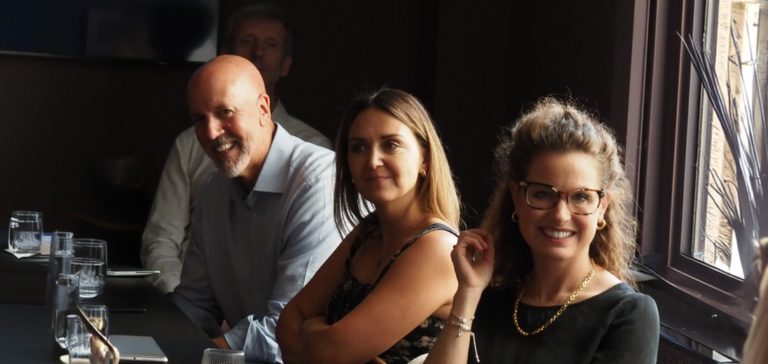
Build Trust. Navigate Change.
Change is happening everywhere.Technology is evolving rapidly. AI is changing how we work. Expectations are shifting. And across healthcare, organisations are being asked to transform services while responding to increasing pressures and complexity.Against that backdrop, the theme for this year’s National Inclusion Week “Build Trust. Navigate Change.” feels particularly relevant.Because navigating change successfully isn’t only about having the right strategy, technology or processes.It's about people.One of the things that makes National Inclusion Week important is that it involves everyone. We all bring different identities, backgrounds, experiences and circumstances to work, and these can shape how we experience our workplace, technology and change.Creating genuinely inclusive environments means recognising those different perspectives and making space for conversations that span communities and experiences, from gender, race and religion to disability, LGBTQ+ inclusion, caring responsibilities and social mobility.Inclusion then becomes more than a principle. It becomes part of how organisations build trust and make better decisions.Inclusion in healthcare transformationAt SCFH, we see this through the work we do with healthcare organisations undergoing complex digital and operational transformation.Whether introducing a new EPR, adopting AI and emerging technologies or redesigning existing services and ways of working, the technical solution is only one part of the picture.The people who use those systems every day bring different roles, experiences, perspectives and levels of confidence with technology. Listening to those voices can help identify challenges earlier, shape better solutions and create change that works in practice.When people understand why change is happening, feel able to contribute and can see that their experience has been considered, change becomes something they are part of rather than something that simply happens to them.Half of our team are women25% identify as neurodivergent25% work part-timeFlexible working is embedded across SCFH, helping us support different needs and circumstances.We also want our growth to create opportunities for our people.Over the last 12 months, 50% of our team have been promoted, developing their careers alongside the business.These numbers are only part of the picture. What matters is the culture behind them - one where people feel comfortable being themselves, sharing ideas, asking questions and offering a different point of view.As we grow, we know our approach to inclusion needs to keep evolving too. That means continuing to listen, learn and create an environment where everyone has the opportunity to contribute and thrive.National Inclusion Week gives us an opportunity to reflect on what inclusion means in practice, but it shouldn’t begin and end with one week.This year’s theme is a reminder that trust is built through how we listen, involve and support people, particularly when things are changing.That applies to our own team and to the healthcare organisations we work alongside.SCFH. A modern approach to health consulting.We combine strategic advisory with hands-on delivery, across data, digital and technology, helping health, life sciences and public sector organsisations improve outcomes, productivity and long-term value. Our diverse team brings together deep industry expertise, innovative thinking and a shared commitment to delivering outstanding results for our partners.
Hannah Granshaw
14 September 2026
Named as supplier on G-Cloud 15
SCFH has been named as a supplier on Government Commercial Agency’s G-Cloud 15 (RM1557.15) framework, Lot 3 – Cloud Support Services, marking another important milestone for our digital and technology practice.G-Cloud 15 provides public sector organisations with a quick and straightforward route to access cloud-based services and specialist support. Lot 3 – Cloud Support Services focuses on the professional services organisations need to adopt, implement and manage cloud technologies, supporting them as they modernise their digital environments and build the foundations for more connected, resilient and effective services.Government Commercial Agency (GCA) is the UK’s central commercial and procurement organisation, connecting public and private sectors to achieve the best outcomes for the UK and its citizens. GCA uses its commercial expertise to create a simpler procurement experience that redirects valuable resources into essential public services – creating value for the nation.Being named on G-Cloud 15 builds on SCFH’s presence across government procurement frameworks and provides another route for NHS and public sector organisations to access our expertise.Our teams already work across some of the most complex digital and technology programmes in healthcare, combining strategic thinking with hands-on delivery to help organisations move from ambition to implementation and ensure technology investment delivers meaningful, lasting impact.Notes to EditorGCA is an executive agency of the Cabinet Office, supporting the public sector to achieve maximum commercial value when procuring common goods and services. To find out more about GCA, visit www.gca.gov.ukFollow us on X: @gov_procurementFollow us on LinkedIn
Hannah Granshaw
21 August 2026
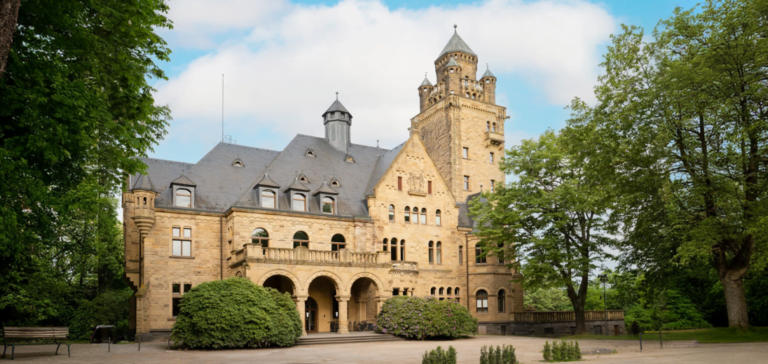
DNV Digital Health Summit 2026
We're delighted to announce that Taja Quigley, Partner at SCFH, will be speaking at the DNV Digital Health Summit 2026, joining senior leaders from across healthcare, digital health, investment and policymaking to explore one of the sector's biggest challenges: how we successfully implement and scale digital innovation.Healthcare is entering a period of extraordinary opportunity. Advances in digital technologies, data and artificial intelligence are reshaping what's possible for patients, clinicians and healthcare organisations. Yet while innovation continues to accelerate, the real measure of success is no longer the technology itself. It's the ability to implement solutions effectively, embed lasting change and deliver measurable improvements in care.This year's summit theme, "Implementing and scaling across digital health," reflects exactly that challenge. Bringing together healthcare providers, digital health companies, investors and policymakers, the event will focus on practical strategies for implementation, adoption and scaling, while exploring how organisations can move beyond successful pilots to achieve sustainable impact across healthcare systems and new markets.These are conversations that resonate strongly with SCFH's work.Every day, we partner with NHS organisations and healthcare providers to turn digital ambition into reality. From developing digital strategies and leading major transformation programmes to supporting implementation, adoption and benefits realisation, our focus is always on helping organisations deliver meaningful and lasting change, not simply introducing new technology.Hosted by DNV in collaboration with Stifel Investment Bank and EY-Parthenon, the summit offers a unique opportunity for leaders from across the healthcare ecosystem to share experiences, challenge conventional thinking and build the partnerships needed to accelerate digital transformation.Taja's participation reflects SCFH's continued commitment to helping healthcare organisations successfully deliver digital transformation, from strategy and implementation through to adoption, optimisation and long-term value realisation. We look forward to contributing to the discussion, sharing practical insights and learning from fellow leaders who are transforming the future of digital health.If you're attending the DNV Digital Health Summit, we'd love to connect.If you'd like to learn more about the event, or register your interest in attending, visit the DNV Digital Health Summit website here.
Hannah Granshaw
21 July 2026
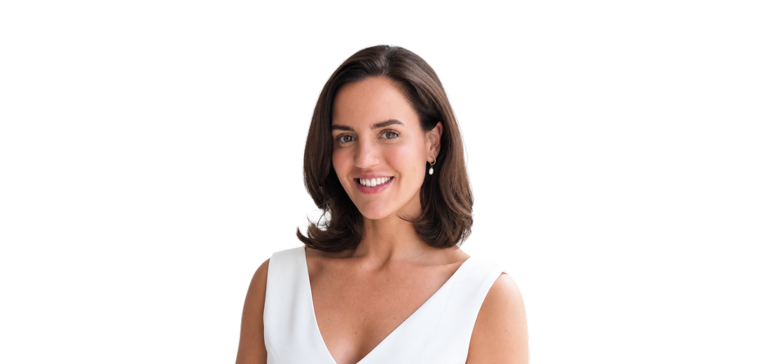
Welcome to Coral Brett
We're delighted to welcome Coral Brett to the SCFH team as a Senior Consultant within our Technology Practice.Having already made a fantastic impact as an associate, Coral now joins the permanent team, bringing her passion for digital innovation, Microsoft technologies and AI to help NHS organisations deliver meaningful change.We sat down with Coral to find out more about her career journey, what inspired her to work in digital health, and what she's most looking forward to as she begins this exciting new chapter at SCFH.Hi Coral, Tell us a little about yourself and your career journey.I've always had a natural aptitude for technology and genuinely enjoy solving complex problems. I developed my expertise within Microsoft environments before moving into the healthcare space, initially in the private sector and later into consulting.Most recently, I've been embedded within a complex NHS infrastructure programme, working across technical delivery, programme board-level stakeholder management and commercial governance. Throughout my career, I've enjoyed partnering closely with clients to tackle challenging problems, and joining SCFH is an exciting opportunity to do that across an even broader range of organisations.What inspired you to pursue a career in digital health?Healthcare technology has always been part of my life. My dad has worked in the sector throughout his career, so I grew up seeing first-hand the difference that well-designed digital solutions can make for both patients and clinicians.That inspired me to build a career where I could combine my passion for technology with work that has a genuine purpose and delivers meaningful improvements to healthcare.What are you most looking forward to in your new role at SCFH?I'm looking forward to working alongside such a talented and experienced team while supporting a wide variety of NHS organisations on their digital transformation journeys. Every organisation is different, and I enjoy helping clients find practical solutions that create lasting value.What makes SCFH a great place to work?SCFH has a fantastic culture and a strong reputation for combining deep technical expertise with a genuinely collaborative approach. There's a real commitment to investing in people, sharing knowledge and delivering meaningful outcomes for clients, which makes it an exciting place to be.What's a project you're especially proud of, and why?I'm particularly proud of supporting the development of a digital infrastructure strategy for an NHS organisation. The programme brought together technical and operational teams to develop a solution that will support future clinical services, making it especially rewarding to see technology enabling long-term improvements in patient care.What emerging trend or innovation in digital health are you most excited about?I'm excited by the growing adoption of AI and intelligent automation to reduce administrative burden and give clinicians more time to focus on patient care. Used thoughtfully, these technologies have enormous potential to improve both efficiency and the experience of staff and patients alike.Where do you see AI making the biggest difference to healthcare over the next five years?I believe AI will have the greatest impact by supporting clinical and operational decision-making, automating routine administrative tasks and making information easier to access when it's needed. Implemented responsibly, it has the potential to improve productivity, enhance staff experience and ultimately deliver better outcomes for patients.What do you enjoy doing outside of work?Outside of work, I'm happiest spending time with my daughter, reading, going to the gym and focusing on my health and fitness. I also love learning new things, particularly history, science and linguistics. At the moment I'm learning Latin, which has been a challenging but rewarding experience.We're excited to have Coral on board and look forward to the expertise, enthusiasm and fresh perspective she'll continue to bring as we help our clients deliver better outcomes through technology and innovation.
Hannah Granshaw
2 July 2026
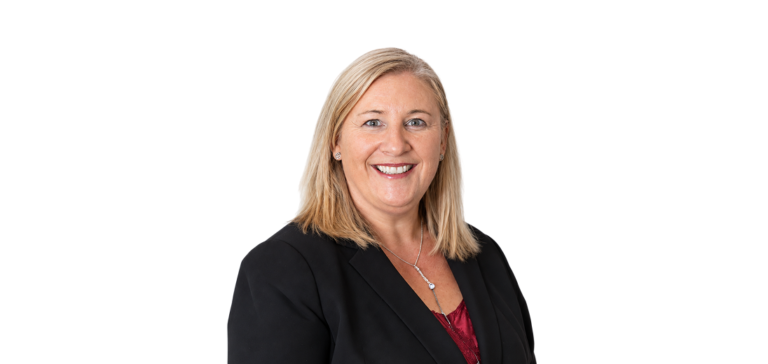
Welcome to Simone Collins
We’re thrilled to welcome Simone Collins to SCFH as Director. Simone brings a wealth of experience across healthcare consulting, digital transformation and NHS programme delivery, working alongside clients to deliver meaningful change while building trusted, collaborative relationships.We caught up with Simone to learn more about her career journey, what attracted her to SCFH, the opportunities she sees for digital health and healthcare transformation, and what motivates her both in and out of work.Hi Simone, Tell us about your career so far?I've been working in digital healthcare since the start of the century, which does make me feel slightly old saying it. My career began at IBM, but it was my involvement in the National Programme for IT (NPfIT) that really sparked my passion for healthcare.Since then, I've had the privilege of working with, for and alongside the NHS across provider organisations, national bodies, suppliers and consultancies. Experiencing healthcare from so many different perspectives has shaped how I approach every challenge and strengthened my belief that technology, when used well, can make a real difference to patients, staff and communities.What attracted you to SCFH at this stage of your career?For me, it starts with the people. SCFH has an incredible team with the expertise, ambition and energy to make a genuine difference to health and care.What really excites me is the opportunity to bring together estates, technology, people and digital solutions to help transform services. Very few organisations are positioned to do that as effectively as SCFH. Just as importantly, the company leads with integrity and strong values, which really resonated with me.Simply put, I wanted to be part of this fabulous team. I mean… who wouldn't?What kind of leader do you aspire to be?I want to be the kind of leader who helps people become the very best version of themselves. Someone who builds confidence, encourages growth and creates an environment where people feel supported to thrive.The best leaders aren't followed because of their job title; they're followed because they've earned people's trust. If I'm known for being honest, fair, approachable and human, I'll consider that a success.What do you think clients value most from a consulting partner today?Honesty, integrity and credibility are fundamental, but they only matter if you demonstrate them every day.Clients want trusted advisers who will tell them the truth, even when it's difficult. They value people who combine experience with pragmatism and empathy, and who understand the realities of delivering change in complex organisations.Equally important is communication. The strongest partnerships aren't built by talking to clients but by working withthem. That means listening carefully, understanding what really matters and bringing people with you throughout the journey. Ultimately, clients want a partner who is just as invested in achieving successful outcomes as they are.What's one challenge in healthcare you're most passionate about solving?My first answer was "egos", although I'm not sure even AI can solve that one.Seriously though, I'm passionate about creating a healthcare system that feels connected from the patient's perspective. People shouldn't need to understand the complexity of NHS organisations just to receive the right care.Technology should help make healthcare seamless by connecting the right information, the right professionals and the right services at the right time, creating a better experience for everyone involved.What trend in digital health deserves more attention?Looking beyond healthcare to health itself. I'm passionate about a more holistic approach that considers the whole person, not just their condition. That means understanding the environmental, physical, financial, social and genetic factors that influence health and using technology to support more personalised, preventative and outcome-focused care.What do you enjoy doing outside of work?Wild swimming is my happy place. There's something about cold water that completely resets my mind and brings a real sense of calm.I'm also a huge rugby fan and, thanks to my daughter, I've developed a slightly reluctant appreciation for musical theatre, although she'd probably tell you I'm in denial and secretly love it now.What's something people might be surprised to learn about you?I firmly believe peas are sinister.Also, despite my Irish roots, I can't stand mashed or boiled potatoes, which I'm reliably informed is bordering on treason.We're delighted to welcome Simone to SCFH. With her extensive experience, collaborative approach and passion for improving health and care, we're excited about the impact she'll make for our clients, partners and colleagues alike.
Hannah Granshaw
30 June 2026

Women in Tech Shining Star Award
SCFH is delighted to announce that Taja Quigley has been nominated for the Women in Tech Shining Star Award. The category celebrates emerging leaders making a significant impact within their organisations and the wider technology sector.As a founding Partner, Taja has played a central role in growing SCFH from a start-up into an award-winning consultancy and recognised UK Best Workplace, delivering complex digital transformation programmes across the NHS and wider health and care sector.Providing senior leadership across client engagement, commercial governance, business development and programme mobilisation, Taja is known for her ability to bring clarity to complexity and align teams around successful outcomes. She has helped establish the governance, operating frameworks and client-focused culture that have enabled SCFH to expand while maintaining its reputation for quality, trust and delivery excellence.Beyond her commercial and operational contributions, Taja is widely recognised for her people-first approach. She champions transparent ways of working, creates opportunities for colleagues to develop and thrive, and helps foster an environment where talented professionals, particularly women working in technology, can build confidence, visibility and successful careers.The nomination highlights both Taja's personal contribution to the technology sector and SCFH's continued commitment to delivering impactful digital transformation across health and care.We congratulate Taja on this well-deserved recognition and wish her every success in the awards process.
Hannah Granshaw
4 June 2026
Smart Buildings in Healthcare: The Opportunity is Now
The buildings in which healthcare is delivered have always shaped the quality of care provided within them. Yet for decades, NHS estates have been managed reactively, focused on maintaining ageing infrastructure, responding to operational failures and treating the physical environment as a cost to be controlled rather than a capability to be developed.That mindset is beginning to shift, and the pace of change is accelerating.The New Hospital Programme is setting the directionAt the forefront of this transformation is the NHS New Hospital Programme (NHP). Through its Intelligent Hospital vision, the programme has positioned Smart Buildings not as an optional technology upgrade, but as a strategic necessity.From IoT sensors and intelligent energy systems to digital twins and AI-enabled building management platforms, the ambition is both structured and significant. Importantly, this is the first time in this sector, formally articulated at a national programme level.It's worth noting that NHP's smart buildings work is currently focused on the approximately 40 acute hospital Trust schemes within the programme, running in parallel to the day-to-day work of the broader NHS Estates body. While the approach has not yet been formally adopted as a national standard, it represents a clear statement of intent and an increasingly influential reference point for how digital estates thinking should be applied across the NHS.The opportunity extends beyond new hospitalsCrucially, the NHS cannot afford to wait for new hospitals to lead the way. Two converging forces make the case for acting now.Firstly, the wider NHS Estates community, working with hundreds of organisations across thousands of sites, is already navigating modernisation programmes where smart building thinking can and should be applied.Secondly, the government's Neighbourhood Health agenda is driving one of the most significant shifts in care delivery in the history of the NHS.With 250 Neighbourhood Health Centres confirmed, and more than 100 expected to be operational by 2030, the NHS is undertaking one of the most significant shifts in care delivery in its history. Bringing diagnostics, community services, mental health support and primary care together under one roof, closer to where people live, represents a massive and immediate opportunityThese new and repurposed buildings are being designed right now, and they carry a clear expectation of being digitally enabled spaces that can adapt to evolving service delivery. Getting the digital estates foundations right from the outset, rather than retrofitting them later, will determine how much value these investments ultimately deliver.How SCFH supports NHS OrganisationsThis is precisely the space where SCFH operates.Our Digital Estates practice brings together deep experience across health and social care in the NHS, spanning clinical transformation, operational change, application programmes and infrastructure, with direct experience of the smart buildings strategy being developed within the New Hospital Programme itself. We understand the policy landscape, the technical architecture and, critically, the realities of delivering change within NHS organisations.We work with clients to first understand their organisational strategy, operational priorities and the outcomes they are trying to achieve. From there, we explore how smart building technologies and digital estates capabilities can enable and support those objectives in a practical and proportionate way, ensuring technology serves the strategy, rather than dictating it. We then help organisations assess their current position, define a clear strategic direction and develop a realistic, deliverable roadmap for change. Our services span strategy development, gap analysis, programme and delivery support, benefits realisation, operational transformation and workforce upskilling.The time to act is nowFor NHS leaders, the question is no longer whether smart buildings are relevant to them.The question is whether they will proactively shape their own digital estates journey, or find themselves trying to catch up later.The standards are emerging. The investment is flowing. The buildings are already being planned and built.Further reading:PM launches new era for NHS with easier care in neighbourhoodsNeighbourhood health centre guidance for regions and integrated care boardsGovernment confirms 250 Neighbourhood Health Centres as part of prevention-focused 10-Year Health PlanAbout AndyAndy brings over 20 years’ experience in digital health and care, having worked on major NHS transformation programmes and across international healthcare systems, spanning both solution architecture and strategic advisory. His ability to connect strategy, technology and delivery, alongside a focus on more connected, data-driven care, will strengthen the impact we deliver for our clients.SCFH. A modern approach to health consulting.We combine strategic advisory with hands-on delivery, across data, digital and technology, helping health, life sciences and public sector organsisations improve outcomes, productivity and long-term value. Our diverse team brings together deep industry expertise, innovative thinking and a shared commitment to delivering outstanding results for our partners.

Andy Brett
27 May 2026