
How do we turn digital investment into measurable benefits for patients and frontline teams?
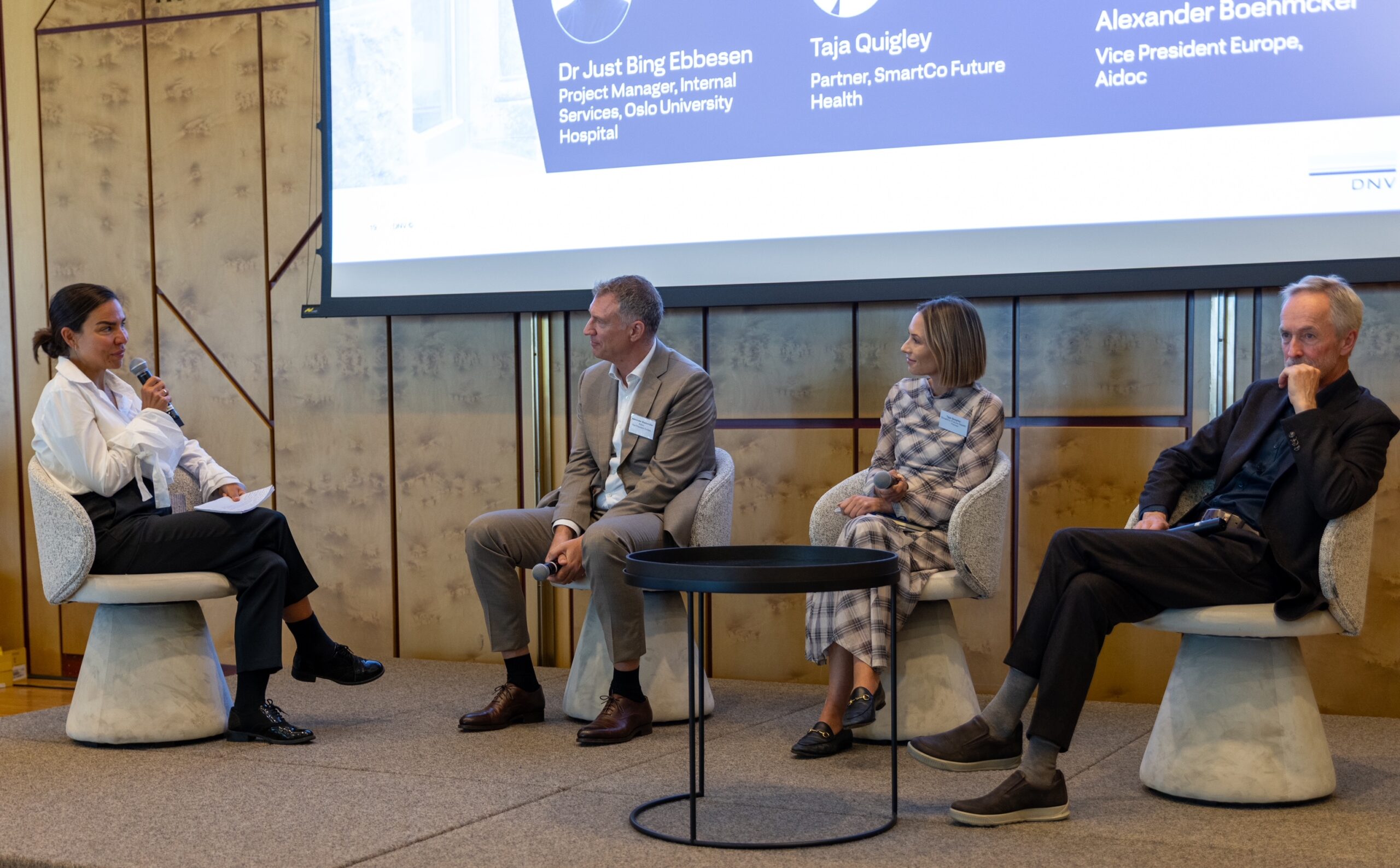
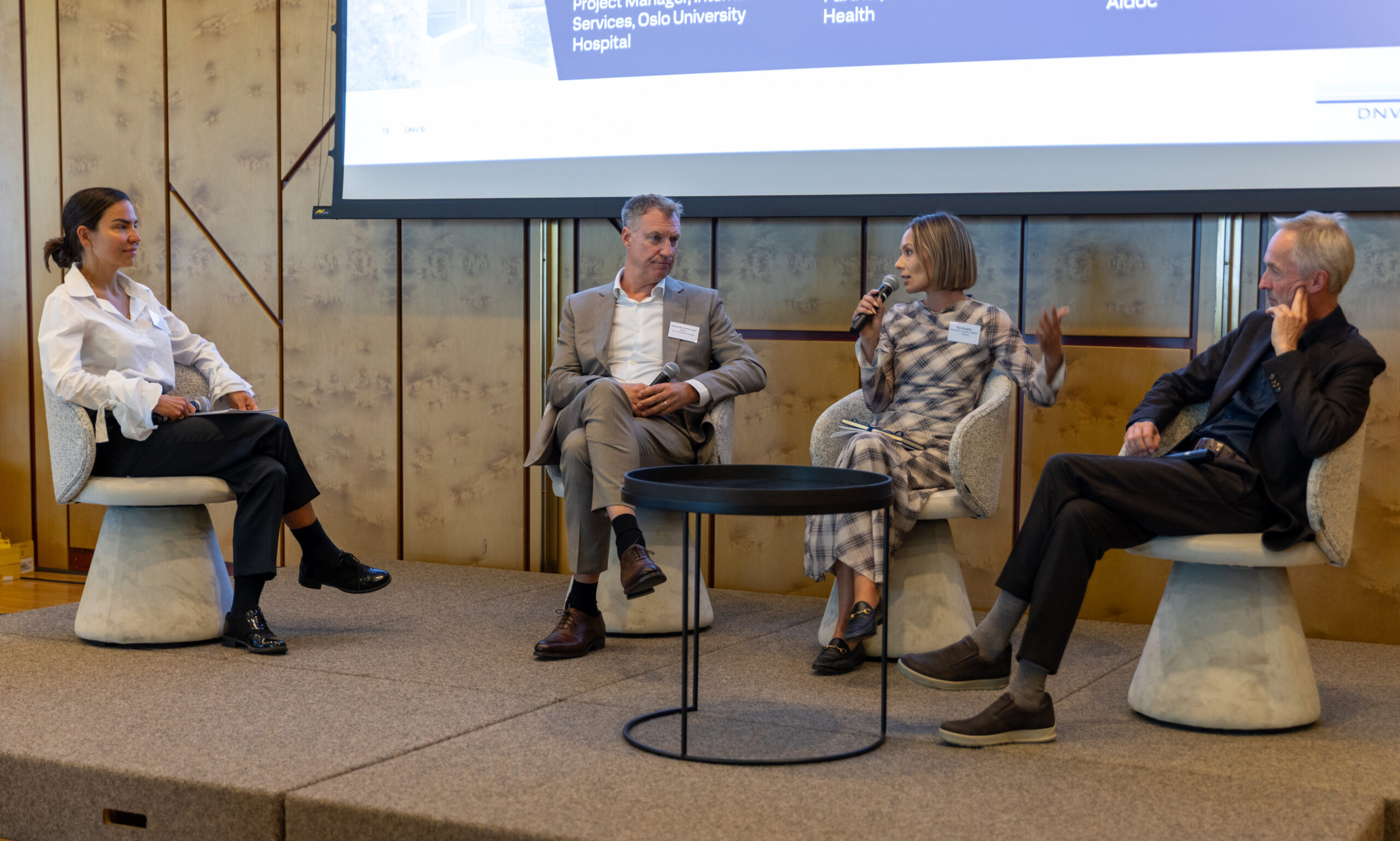
It’s a question that comes up frequently in healthcare, and one I had the opportunity to explore in September when I joined the “Is your ROI real?” panel discussion at the DNV Digital Health Summit, hosted in partnership with Stifel and EY-Parthenon.
There continues to be significant digital investment in healthcare, with technology expected to improve productivity, transform ways of working and support better experiences and outcomes for patients and staff.
But investing in and implementing technology is only part of the challenge. The real measure of success is whether it delivers the benefits we set out to achieve, and whether those benefits can be sustained beyond implementation.
For me, that means looking beyond go-live.
Technology alone doesn’t deliver transformation
A successful go live is important, but it isn’t the same as successful transformation.
Realising the benefits of digital investment requires us to be clear from the outset about what we’re trying to achieve, how we’ll measure it and who is responsible for making it happen.
It also means giving teams the capacity, support and governance they need to embed new ways of working. Without that, there is a risk that technology is implemented successfully but the anticipated benefits don’t fully follow.
Transformation is a team sport

One of the messages that stayed with me from the summit came from Stephen McAdam’s closing speech:
It’s a simple phrase, but it captures something fundamental.
Successful transformation can’t sit with one team or function. It requires clinical teams, operational colleagues, digital specialists, technology partners and delivery teams to work towards the same outcomes.
That shared responsibility needs to continue beyond implementation. Go-live shouldn’t mark the point at which attention moves elsewhere; it’s often where the work of embedding change and realising value really begins.
You can’t demonstrate value without trusted data
Another important point raised during our panel discussion was the role of reliable data.
If we don’t have data we can trust, it becomes incredibly difficult to understand whether an investment has genuinely improved productivity, patient experience or clinical outcomes.
That means agreeing meaningful measures early, establishing clear baselines and continuing to track progress after implementation.
ROI in healthcare also needs to be considered more broadly than a purely financial calculation. Time released back to frontline teams, improved workflows, better staff experience and improvements in patient care can all represent significant value.
Looking beyond go-live
For me, one of the biggest takeaways from the discussion was the importance of thinking about benefits realisation as part of transformation from the beginning, not something we measure retrospectively.
At SCFH, this is central to how we approach transformation. We bring healthcare teams and technology partners together to agree what success looks like and share responsibility for delivering it beyond go-live.
Ultimately, the value of digital investment isn’t the technology itself.
About Taja
Taja Quigley is a Partner at SCFH, where she helps organisations reimagine care models through digital innovation. With experience tackling complex challenges across the NHS and public sector, she brings together clinical insight, technology, and delivery to build health systems that work smarter for patients, clinicians and the wider population.
SCFH. A modern approach to health consulting.
We combine strategic advisory with hands-on delivery, across data, digital and technology, helping health, life sciences and public sector organsisations improve outcomes, productivity and long-term value. Our diverse team brings together deep industry expertise, innovative thinking and a shared commitment to delivering outstanding results for our partners.
Get in touch
If you’d like to find out more about SCFH and how we can support your organisation, please contact us today.