
Blog

World Mental Health Day 2026: Why being heard matters

Article Author

Hannah Granshaw

•

3 min read

Mental health is personal. Everyone’s experience is different, and that makes listening to those experiences all the more important.

This World Mental Health Day, the theme “Lived experiences heard: real voices, real change” puts that principle at the centre: creating space for people to share their experiences, but importantly, ensuring those experiences are valued and can help influence meaningful change.

At SCFH, that message resonates with us, both in the culture we want to create for our own people and in the work we do across healthcare.

Making time to connect

Supporting mental wellbeing at work isn’t about one day, one initiative or having all the answers.

Often, it starts with something much simpler: creating an environment where people feel comfortable talking, feel listened to and know that support is there when they need it.

It can be checking in with a colleague. Taking a break together. Making time for a conversation that isn’t about work. Or simply recognising someone for the difference they’ve made.

To mark World Mental Health Day, we’re encouraging our team to do exactly that.

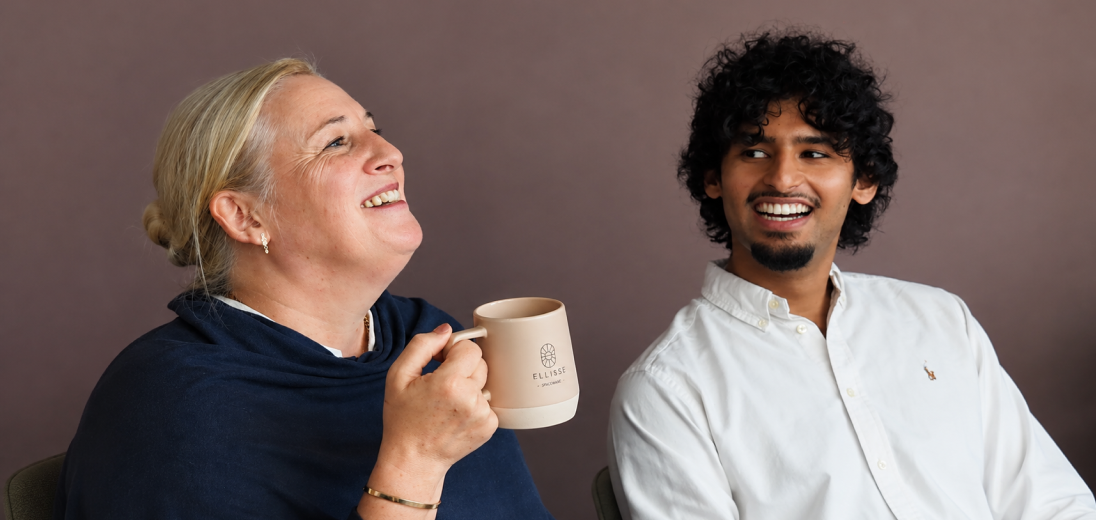
We’re making time to walk and talk, catch up over coffee and cake, and show appreciation for the people around us.

Small actions, but ones that help strengthen the connections we rely on every day.

Listening should lead somewhere Image

Listening should lead somewhere

Being heard is about more than having the opportunity to speak.

The World Health Organization’s 2026 campaign highlights the importance of lived experience informing decisions, policies and services, moving from listening to meaningful involvement. 

That principle is just as relevant when we think about change across healthcare.

New technology, digital transformation and redesigned services can have a significant impact on the people who use and deliver them. Listening to patients, clinicians and teams helps us understand not only what needs to change, but how that change will work in practice.

Because successful transformation shouldn’t simply happen to people. The people experiencing it should have a voice in it.

Real voices. Meaningful change.

Mental wellbeing is something we all contribute to through the culture we create, the conversations we have and the way we treat the people around us.

World Mental Health Day gives us an opportunity to focus on that, but its message matters every day.

At SCFH, we’ll continue to make time to listen, connect and support one another, and to carry the same principle into the work we do with healthcare organisations.

SCFH. A modern approach to health consulting.

We combine strategic advisory with hands-on delivery, across data, digital and technology, helping health, life sciences and public sector organsisations improve outcomes, productivity and long-term value. Our diverse team brings together deep industry expertise, innovative thinking and a shared commitment to delivering outstanding results for our partners.

Get in touch

If you’d like to find out more about SCFH and how we can support your organisation, please contact us today.

Contact us
Copy link

Related Insights

Beyond go-live: Realising value from digital investment

How do we turn digital investment into measurable benefits for patients and frontline teams?It’s a question we talk about a lot in healthcare, and one I had the opportunity to explore at the DNV Digital Health Summit in September as part of the “Is your ROI real?” panel discussion.There continues to be significant digital investment in healthcare, with technology expected to improve productivity, transform ways of working and support better experiences and outcomes for patients and staff.But investing in and implementing technology is only part of the challenge. The real measure of success is whether it delivers the benefits we set out to achieve, and whether those benefits can be sustained beyond implementation.For me, that means looking beyond go-live.Technology alone doesn't deliver transformationA successful go live is important, but it isn't the same as successful transformation.Realising the benefits of digital investment requires us to be clear from the outset about what we're trying to achieve, how we'll measure it and who is responsible for making it happen.It also means giving teams the capacity, support and governance they need to embed new ways of working. Without that, there is a risk that technology is implemented successfully but the anticipated benefits don't fully follow.Transformation is a team sportOne of the messages that stayed with me from the summit came from Stephen McAdam's closing speech:It's a simple phrase, but it captures something fundamental.Successful transformation can't sit with one team or function. It requires clinical teams, operational colleagues, digital specialists, technology partners and delivery teams to work towards the same outcomes.That shared responsibility needs to continue beyond implementation. Go-live shouldn't mark the point at which attention moves elsewhere; it's often where the work of embedding change and realising value really begins.If we don't have data we can trust, it becomes incredibly difficult to understand whether an investment has genuinely improved productivity, patient experience or clinical outcomes.That means agreeing meaningful measures early, establishing clear baselines and continuing to track progress after implementation.ROI in healthcare also needs to be considered more broadly than a purely financial calculation. Time released back to frontline teams, improved workflows, better staff experience and improvements in patient care can all represent significant value.Looking beyond go-liveFor me, one of the biggest takeaways from the discussion was the importance of thinking about benefits realisation as part of transformation from the beginning, not something we measure retrospectively.At SCFH, this is central to how we approach transformation. We bring healthcare teams and technology partners together to agree what success looks like and share responsibility for delivering it beyond go-live.Ultimately, the value of digital investment isn't the technology itself.About TajaTaja Quigley is a Partner at SCFH, where she helps organisations reimagine care models through digital innovation. With experience tackling complex challenges across the NHS and public sector, she brings together clinical insight, technology, and delivery to build health systems that work smarter for patients, clinicians and the wider population.SCFH. A modern approach to health consulting.We combine strategic advisory with hands-on delivery, across data, digital and technology, helping health, life sciences and public sector organsisations improve outcomes, productivity and long-term value. Our diverse team brings together deep industry expertise, innovative thinking and a shared commitment to delivering outstanding results for our partners.

UK’s Best Workplaces in Tech™ 2026

Another fantastic recognition for SCFH and our team. We’re been named as one of the UK’s Best Workplaces in Tech™ 2026 by Great Place To Work® UK, ranking in the Small and Medium Companies category.Our people make SCFH what it isThis latest recognition is particularly meaningful for SCFH. Technology sits at the heart of much of what we do, but it is our people, their expertise and the way we work together that enable us to make a real difference for our clients.Creating a workplace where people can thriveAs SCFH continues to grow, we remain focused on creating a workplace where people feel trusted, supported and able to do their best work. From flexible ways of working and opportunities to develop, to our monthly company days that bring the whole team together, we want our culture to grow alongside our business.Our company days give us regular time away from the day-to-day to celebrate our wins, share successes, talk openly about where we can improve and make sure everyone has a voice in what comes next.This recognition follows SCFH being named #18 in the UK’s Best Workplaces™ 2026 and #21 in the UK’s Best Workplaces for Development™ 2026, reinforcing our commitment to building a workplace where people can grow, contribute and succeed together.What makes a UK Best Workplace in Tech?The UK’s Best Workplaces in Tech™ list is based on confidential feedback gathered through Great Place To Work’s research-backed Trust Index™ employee survey.Employees are asked about their experience across areas including trust, wellbeing, work-life balance, job satisfaction, psychological safety and fulfilment. Great Place To Work® also assesses how consistently organisations create a positive employee experience across different roles and levels of seniority.We’re proud to add this latest recognition to SCFH’s Great Place To Work achievements and, most importantly, proud of the team and culture behind it.

When memory fades, can AI help us deliver more human care?

For someone living with Alzheimer's disease, the ability to remember, communicate and make sense of the world around them can gradually become more difficult.But behind every diagnosis is a person with a lifetime of memories, relationships, routines and preferences. Someone whose individuality, dignity and need to feel understood remain, even as their condition progresses.According to Alzheimer's Society nearly one million people in the UK are living with dementia, a figure projected to rise to 1.4 million by 2040.This World Alzheimer's Month, the international campaign to raise dementia awareness and challenge stigma, the theme "The Earlier You Know, The More You Can Do: A Dementia Diagnosis Matters" highlights the importance of timely diagnosis and access to the right care and support.NHS England figures from February 2026 show that approximately one in three people aged 65 and over estimated to be living with dementia in England did not have a recorded diagnosis.Delays in recognising symptoms, difficulties accessing specialist services and the fear surrounding a diagnosis can all contribute to people missing out on timely care and support.AI in dementia care is opening up new possibilities, from supporting earlier detection and diagnosis to helping healthcare professionals make more informed decisions.But receiving a diagnosis is only the beginning. How can we ensure that people living with dementia continue to receive the personalised, compassionate care they need as their condition progresses?Understanding the person behind the diagnosisFor someone living with dementia, a hospital admission can be particularly challenging. Unfamiliar surroundings, changes in routine and interactions with different healthcare professionals can create confusion and distress.Families and carers often hold invaluable knowledge about their loved one. They know the small things that bring comfort, the situations that cause distress and the ways to help them feel reassured.But when someone moves between wards, hospitals or care settings, how do we ensure that understanding moves with them?Connected healthcare systems can help make important information about a person's needs, preferences and care history accessible to the professionals caring for them.And as AI continues to advance, there is an opportunity to explore how technology could help healthcare professionals make better use of that information, supporting more personalised and compassionate care.Not by replacing human connection, but by helping preserve it.The opportunity for AI in dementia careAI is opening up new possibilities in healthcare, including research into earlier detection of Alzheimer's disease and more personalised approaches to care.Beyond diagnosis, AI could help healthcare professionals navigate complex patient information, identify relevant details about individual needs and support greater continuity as people move between different care settings.For people living with dementia, this could mean fewer occasions where they or their families need to repeat important information, and a more consistent understanding of their needs throughout their care journey.But the potential of AI must be balanced with the responsibility to implement it safely and thoughtfully.Technology should support clinical judgement, protect personal information and be designed around the needs of the people using it.Most importantly, it should help healthcare professionals deliver care that recognises the individual, not simply their diagnosis.Keeping people at the centreAt SCFH, we believe successful digital transformation starts with understanding the people it is intended to support.Our work across digital health, data and technology focuses on helping healthcare organisations deliver more connected, effective and patient-centred care.As AI becomes increasingly integrated into healthcare, we have an opportunity to consider how it could support people living with dementia, their families and the professionals caring for them.Can it help preserve important information about someone's individual needs? Support more personalised care? Give healthcare professionals more time to focus on the human interactions that matter most?These are the questions that should guide how we develop and implement AI in healthcare.Alzheimer's may change how someone communicates, remembers and experiences the world, but it does not change their need to be understood, respected and cared for.Supporting people affected by dementiaThis World Alzheimer's Month is an opportunity to raise awareness, challenge stigma and reflect on how we can better support people living with dementia and those who care for them.To learn more about dementia, access support or make a donation to help those affected, visit Alzheimer's Society.SCFH. A modern approach to health consulting.We combine strategic advisory with hands-on delivery, across data, digital and technology, helping health, life sciences and public sector organsisations improve outcomes, productivity and long-term value. Our diverse team brings together deep industry expertise, innovative thinking and a shared commitment to delivering outstanding results for our partners.